

I love a cheap fare as much as anyone. I’ve flown on ultra-low-cost carriers (ULCCs) for under $30 and walked onto the plane feeling like I’d cracked some secret code. But after enough surprise fees, 5 a.m. departures from distant airports, and seats that felt like folding chairs, I started asking something else:
At what point does a “cheap” ULCC ticket quietly turn into the most expensive option?
This guide breaks down the real cost of ultra-low-cost carriers, how their pricing actually works, where the hidden fees hide, and how to decide—trip by trip—whether that rock-bottom fare is a smart move or a trap.
1. Are You Actually Booking a ULCC (or Just a Regular Low-Cost Airline)?
First question, and it’s a big one: what kind of airline are you really booking? A lot of people throw all “cheap” airlines into the same bucket, but there’s a big difference between low-cost carriers (LCCs) and ultra-low-cost carriers (ULCCs).
Here’s how I mentally separate them when I’m comparing the real cost of ultra low cost carriers:
- LCCs (Southwest, JetBlue, Alaska, easyJet, etc.) – cheaper than the big legacy airlines, but they still include a few basics: snacks, a full-size carry-on, sometimes even checked bags or seat selection.
- ULCCs (Frontier, Spirit, Allegiant, Breeze, Ryanair, etc.) – think
bare seat plus safe transport
. Almost everything else is extra.
One breakdown of ultra low cost airline pricing puts it bluntly: the base fare usually covers only a seat, a small personal item, and getting you from A to B safely (source). No free carry-on, no free checked bag, no free seat choice. That’s the ultra low cost carrier cost breakdown in a nutshell.
Why this matters: if you mix up an LCC with a ULCC, you’ll compare the wrong prices. You’ll see a $29 ULCC fare next to a $79 LCC fare and assume the ULCC is cheaper. But once you add baggage and seat fees, the “expensive” airline can easily come out ahead.
Quick self-check before you book:
- Does the airline charge for a regular carry-on? If yes, you’re almost certainly in ULCC territory.
- Is seat selection extra for every seat, even the worst ones in the back? Another ULCC red flag.
- Do they fly lots of point-to-point leisure routes and use secondary airports? Classic ultra-low-cost carrier network.
If you’re not sure, assume it’s a ULCC and price it that way. Better to be pleasantly surprised than ambushed by ultra low cost airline hidden fees at checkout.
2. That $19 Fare: Can You Travel With Just a Personal Item?
This is the decision that usually makes or breaks the deal:
Can you realistically travel with only a small personal item?
On most ULCCs, the only truly free bag is something like a small backpack or tote—roughly 18" × 14" × 8". Anything bigger becomes a paid carry-on or checked bag. And those bag fees are where that $19 fare quietly turns into an $80–$150 ticket each way.
Typical numbers for budget airline baggage and seat fees:
- Carry-ons on ULCCs often run $35–$80 each way, depending on when you pay.
- Checked bags usually start in the high $30s and up each way, sometimes more than the ticket itself.
- Dynamic pricing means the closer you get to departure, the more you pay—buying a bag at the gate can be almost double what it costs at booking (source).
So when I see a $19 fare, I immediately run a quick mental check on how much ultra low cost flights really cost for me on that trip:
- Scenario A: Personal item only
I’m doing a 2–3 day trip, I can pack ultra-light, and I don’t care where I sit. In that case, the ULCC can be a genuine bargain. - Scenario B: Normal traveler
I want a carry-on, maybe a checked bag, and I’d like to sit with my partner or kids. Suddenly that $19 fare can jump to $120+ each way.
One senior-focused guide showed how a $19 ULCC fare realistically becomes $80–$150 once you add a bag and a seat (source). I’ve seen the same thing play out in my own bookings—cheap airfare that becomes an expensive trip fast.
My rule of thumb: if I can’t commit to traveling with just a personal item, I assume the ULCC price will be at least 2–3× the advertised fare and compare it that way.

3. Seat Comfort vs. Savings: How Much Suffering Is a Discount Worth?
Let’s be honest: ULCC seats are not built for comfort. They’re built to fit more people on the plane and keep costs down.
Typical ULCC trade-offs:
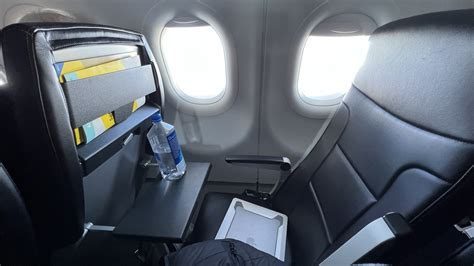
- Tighter pitch – often around 28–29" on some ULCCs, compared to 31–32" on many legacy and low-cost carriers.
- Thin padding – “pre-reclined” seats that don’t recline at all, with minimal cushioning.
- Paid legroom – anything resembling comfort (exit rows, extra legroom, bulkhead) costs extra.
In one comparison of Allegiant, Spirit, and Frontier, Frontier came out cheapest per mile—but also the least comfortable and with serious operational issues. Spirit, on the other hand, sells a genuinely comfortable Big Front Seat that feels like domestic first class, but you’ll pay a premium for it.
So I ask myself a simple question before I book:
How much is my comfort worth per hour?
- On a 1–2 hour flight, I might tolerate a tight seat to save $80–$100.
- On a 4–5 hour flight, that same seat can feel like a punishment. Saving $30–$40 suddenly doesn’t look so smart.
One practical benchmark from the research: if the ULCC only saves $30–$50 per person versus a more comfortable airline, many travelers decide it’s not worth the trade-off in comfort and reliability (source).
My own threshold is similar. If I’m saving under $50 and the flight is more than three hours, I usually pick the more comfortable carrier. My back—and my mood—thank me later.
4. The Hidden Cost of Disruptions: What Happens When Things Go Wrong?
ULCCs don’t just save money on seats and snacks. They also run lean operations: fewer aircraft, fewer crews, fewer daily flights on each route. That’s great when everything runs on time. It’s brutal when it doesn’t.
Here’s what I keep in mind when I’m weighing ultra low cost vs full service airline price and risk:
- Smaller networks – ULCCs often have fewer daily flights on a route. If your flight is canceled, there may not be another same-day option.
- Weaker recovery – legacy airlines can sometimes rebook you via hubs or partner airlines. ULCCs usually can’t.
- Operational shortcuts – aggressive cost-cutting can show up as staffing gaps, cleaning issues, and slower recovery from disruptions.
One analysis highlighted some ugly examples: a Frontier flight that flew an unaccompanied minor to the wrong destination, and multiple pest incidents (roaches, a rat, even a raccoon) on Spirit and Frontier flights (source). Those aren’t just horror stories; they’re reminders of how thin the margins can be behind the scenes.
Then there’s the financial side. Spirit, one of the pioneers of the ULCC model, ultimately collapsed after years of losses, engine issues, and a fuel price shock that blew up its restructuring plan (source). When an airline is fighting for survival, customer experience and reliability rarely come first.
So I ask myself:
- Do I have a tight connection, a cruise departure, or a can’t-miss event at the other end?
- Can I afford to be stranded overnight if the one daily flight is canceled?
If the answer is “no,” I treat ULCCs as higher risk. When the price difference is small (around $50 or less), I usually pay more for an airline with better recovery options and a stronger track record.
5. The Real Math: How to Compare Total Trip Cost (Not Just the Fare)
This is where a lot of people get burned. They compare $29 vs. $89
and stop there. But ULCCs are built on unbundling: they strip out almost everything and sell it back to you piece by piece.
To see the total trip cost on ultra low cost airlines, I always simulate a full booking on each airline I’m considering. Here’s the checklist I use to avoid the classic mistakes with ultra low cost carrier bookings:
- Start with the base fare
Note the price for the exact same dates and times on each airline. - Add bags
- Do I need a carry-on? A checked bag? Both?
- What does each airline charge if I pay at booking (not at the airport)?
- Add seat selection
- Do I care where I sit? Do I need to sit with family?
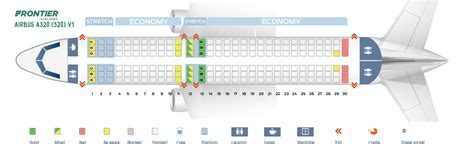
- What’s the cheapest seat I’d actually accept?
- Check change/cancellation rules
Some ULCC fares are extremely restrictive. If there’s any chance my plans might change, I factor in the cost of flexibility. - Look for “gotcha” fees
Things like airport check-in fees, printed boarding pass fees, or priority boarding that’s almost mandatory if I don’t want to fight for overhead bin space.
Only after that do I compare totals. And the results are often surprising:
- For travelers who check bags or want seat assignments, airlines like JetBlue, Southwest, Alaska, and Hawaiian often beat ULCCs on total price because they include more in the base fare (source).
- Tools and OTAs that only show base fares can be misleading. I don’t trust any comparison until I’ve clicked through to the airline’s own site and seen the full fee breakdown.
If you’re trying to answer are ultra low cost airlines worth it?, this is the step that matters most.
My personal benchmark:
- If the ULCC total saves me under $30–$50 per person, I usually skip it.
- If it saves me $80+ per person on a short flight and I can travel with just a personal item, I seriously consider it.
6. Your Travel Style: Are You the Right Kind of Passenger for ULCCs?
ULCCs aren’t “bad” by default. They’re just built for a very specific type of traveler. The closer you are to that profile, the more you win. The further you are from it, the more you pay—both in money and in stress.
From the research and my own trips, ULCCs work best if you:
- Pack ultra-light – you’re genuinely fine with a small personal item only.
- Are flexible on dates and times – you can fly midweek, early morning, or late at night to chase the lowest fares.
- Don’t need to sit together – you’re okay with random seat assignments or paying for just one or two key seats.
- Have buffer time – you’re not connecting to a cruise, wedding, or international long-haul on a tight schedule.
- Have a high tolerance for hassle – you can shrug off delays, bare-bones service, and the occasional chaos.
On the other hand, ULCCs are usually a poor fit if you:
- Travel with kids, older relatives, or mobility issues and need predictability and comfort.
- Need checked bags (sports gear, baby stuff, work equipment).
- Have tight connections or non-flexible plans.
- Get stressed by uncertainty and fine print.
One study of U.S. airfare structures found that ULCCs dramatically increase price dispersion on routes they serve: they create a very low price for the most flexible, bare-bones travelers, and much higher prices for everyone else (source). In other words, ultra low cost airline pricing traps are built into the model: they reward the ultra-flexible and monetize everyone else.
So be honest with yourself: are you the ultra-flexible, ultra-light traveler they’re built for? Or are you going to end up paying for every add-on on the menu?
7. How to Use ULCCs Strategically (Instead of Letting Them Use You)
Despite all the caveats, I still fly ULCCs. I just use them very deliberately. The goal isn’t to avoid them—it’s to avoid overpaying for them.
Here’s how I make them work for me, and how you can start avoiding extra charges on budget airlines:
- Use ULCCs for short, simple trips
Weekend getaways, solo trips, or visits where I can leave stuff at my destination are perfect. I pack a personal item, accept a random seat, and enjoy the savings. - Book bags and seats at purchase, not later
Dynamic pricing means fees often rise closer to departure. If I know I’ll need a bag, I buy it upfront. - Avoid tight connections
I never book a tight self-connection with a ULCC. If I’m connecting to a long-haul or a cruise, I fly in a day early or use a more reliable carrier. - Compare against inclusive airlines every time
I always price out Southwest, JetBlue, Alaska, or similar carriers with bags and seats included. Sometimes they’re cheaper overall, and often they’re only slightly more expensive but far more comfortable. - Leverage credit card perks
If I have a card that reimburses airline incidentals, I factor that in. A $35 bag fee that gets reimbursed changes the math. - Read the fine print once, carefully
I take 10 minutes to understand the airline’s rules on boarding passes, check-in deadlines, and bag sizes. That one-time effort has saved me hundreds in surprise fees.

ULCCs have absolutely democratized air travel. They’ve pushed legacy airlines to offer cheaper fares and more options. But they’ve also made pricing more confusing and shifted a lot of risk onto passengers.
The key is to flip the script: don’t just chase the lowest fare—design the lowest total cost that still matches your comfort level and risk tolerance.
When you look at the ultra low cost carrier fee comparison, factor in bags, seats, time, and stress. If you do that, ULCCs become a powerful tool in your travel toolkit, not an expensive mistake disguised as a bargain.