
I’ve lost count of how many people say, I’ll go to Bali when the weather is perfect and prices are low.
Then they search flights for July, see the numbers, and close the browser.
Here’s the thing: there isn’t one magic month. But there are clear sweet spots where you get mostly dry days, fewer crowds, and prices that don’t make your eyes water.
This guide walks through Bali’s seasons, then a month‑by‑month breakdown so you can decide when to visit based on what you care about most: weather, budget, or space to breathe.
1. First Decision: Dry Season Comfort vs Wet Season Savings
Before you start comparing months, decide what you’re willing to trade:
- Dry season (roughly April/May–October): sunnier, less humid, and the classic Bali you see in photos. Great for beaches, diving, and hiking. Also busier and more expensive, especially June–September.
- Wet season (roughly November–March): hotter, more humid, with frequent showers. But it’s greener, quieter, and easier on your wallet.
Across sources like BaliSim and Travel + Leisure, the pattern is pretty consistent when you’re asking when to visit Bali for good weather and lower prices:
- Best overall balance: May, June, September, and early October.
- Cheapest (but wetter): January, February, March, and November.
- Most reliable sunshine, worst for your wallet: July and August.
If you’re chasing the Bali best month for weather and price, you’re really looking at the shoulder season around the dry months—those in‑between weeks when the weather is kind and the crowds haven’t fully arrived.
Keep that in mind as you read through the months below.
2. January–March: Will You Trade Sunshine for Serious Savings?
January to March sits in the heart of the wet season. That doesn’t mean endless storms. Think heavy, often short downpours, usually in the afternoon or evening, with warm, sticky air around 27–30°C.
January
January is one of the wettest months of the year. Showers can be intense, but they’re often brief. The upside? Everything is lush, waterfalls are roaring, and crowd levels are low. For many routes, accommodation and flights are noticeably cheaper, especially after the New Year rush.
January works if you:
- Care more about budget and quiet than perfect beach weather.
- Enjoy temples, yoga, cooking classes, and long coffee breaks in Ubud cafés.
- Don’t mind planning outdoor time in the morning and keeping afternoons flexible.
February
February keeps the same rhythm: very wet, very humid, very affordable. Many Bali weather and price guides flag February as one of the cheapest months of the year. It’s a good time to upgrade to a nicer hotel or private villa without paying high‑season rates.
The trade‑off? Beach days and long scooter trips are more hit‑and‑miss. Some outdoor adventures—like volcano hikes—can be cancelled if conditions turn.
March
March is a transition month. Rain is still common, but you start to see longer sunny windows. Crowds stay low, and prices remain friendly. This is also when Nyepi (Balinese Day of Silence) often falls—an island‑wide shutdown that can feel magical, or frustrating, depending on how you like to travel.
Ask yourself:
- Am I okay with unpredictable weather if it means fewer people and lower prices?
- Would I enjoy Bali more when it’s quiet, green, and slow, even if I lose some beach time?
If that sounds like you, January–March can be a smart, contrarian answer to the question: What’s the cheapest time to go to Bali with good enough weather?
3. April–June: The First Big Sweet Spot for Weather vs Price
Now we’re getting into the months most people should aim for when they want good weather and reasonable prices, but many skip because they’re fixated on July and August.
April
April is often treated as the early dry season
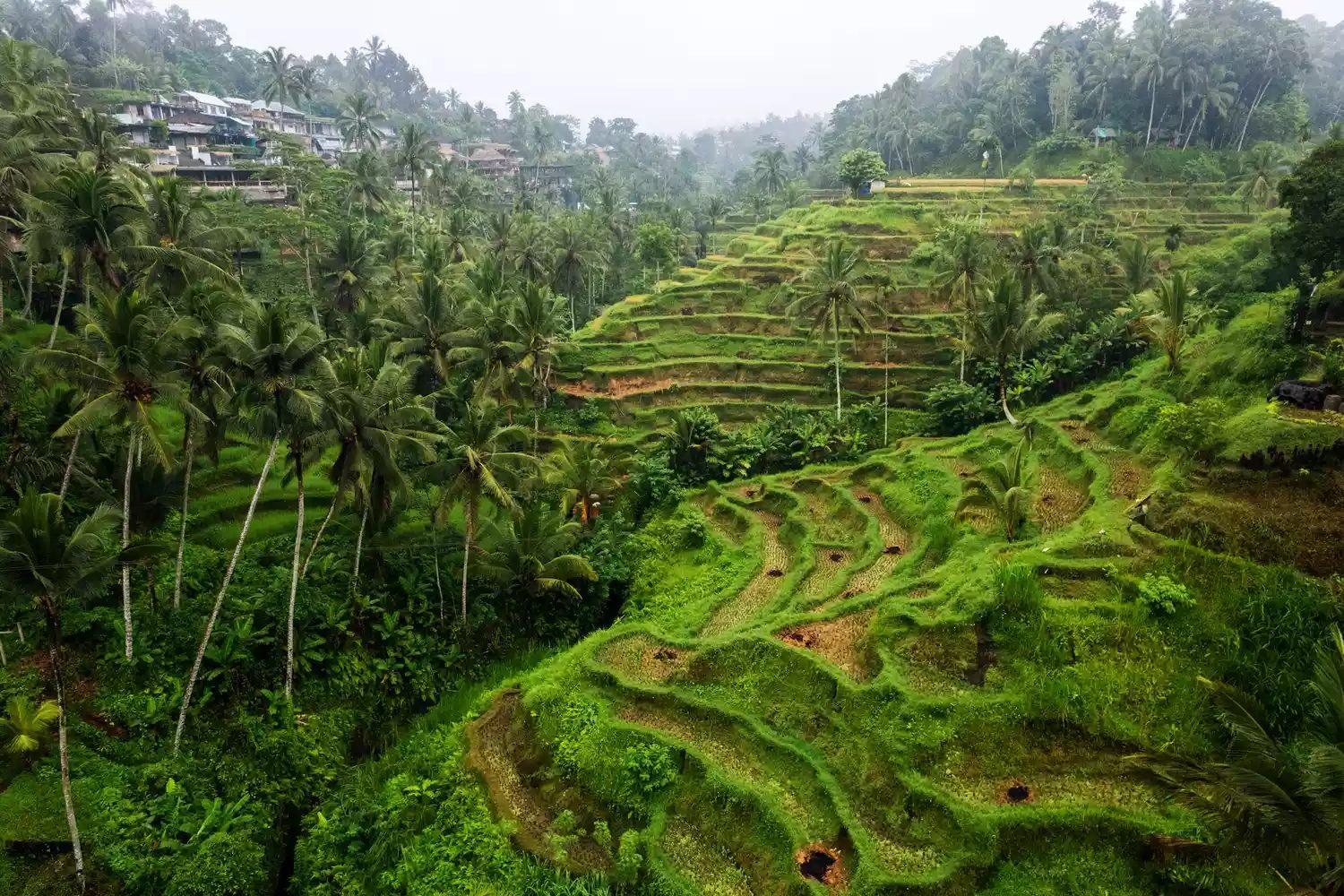
. You’ll still see some rain, but there’s a clear shift toward sunnier days. It’s hot, but beaches, hiking, and diving are usually in good shape, and Bali’s rice fields are still beautifully green.
Downsides:
- Humidity can still feel heavy, especially away from the coast.
- Easter holidays can spike prices and crowd levels for a week or two.
May
May is where Bali really starts to shine. Many guides call May one of the best overall months to visit Bali for good weather and lower prices:
- Weather: mostly dry, with less oppressive humidity.
- Crowds: noticeably lighter than in July–August.
- Prices: still reasonable; not yet at peak dry‑season levels.
If you’re trying to time a Bali trip for good weather without peak chaos, May should be near the top of your list.
June
June is another strong contender in the Bali shoulder season. It’s firmly dry season now, with comfortable temperatures and reliable conditions for beaches, surfing, and diving. Crowds are building, but it’s not yet full‑blown high season.
Think of June as peak‑quality weather at pre‑peak prices
—not rock‑bottom cheap, but often better value than July and August.

If you’re planning a first‑time trip and want to minimize risk around Bali dry season vs rainy season, May or June is where I’d start looking.
4. July–September: Perfect(ish) Weather, Imperfect Prices
This is when Bali looks like the brochure: blue skies, lower humidity, and great conditions for almost every outdoor activity. It’s also when the island feels the most crowded and expensive.
July
July is peak dry season. Surf is strong on the west and south coasts, visibility for diving is good, and rain is minimal. It’s also school holiday time for many countries, especially Australia, so demand spikes.
Expect:
- Highest prices for flights and accommodation.
- Heavy traffic in hotspots like Canggu, Seminyak, and Ubud.
- The need to book popular hotels, beach clubs, and tours well in advance.
August
August is much like July: excellent weather, big crowds, premium prices. If you’re very crowd‑averse or on a tight budget, this is the month to skip.
That said, if your priority is near‑guaranteed sunshine and you’re willing to pay for it, July and August deliver. Just don’t expect Bali off‑peak travel vibes.
September
September is where things get interesting again. The weather is still mostly dry and pleasant, but:
- Crowds start to thin out.
- Prices begin to soften.
Many Bali weather and price guides put September in the same top tier as May and June for overall value. If you want that late summer
feel without full peak madness, September is a strong choice.

My rule of thumb: if you have to travel in the northern‑hemisphere summer, aim for early June or September rather than the heart of July–August.
5. October–November: Shoulder Season or Weather Gamble?
October and November sit on the edge between dry and wet seasons. This is where you can win big on value—or get unlucky with rain. It’s classic Bali shoulder season travel: some days feel like dry season, others like full monsoon.
October
Early October often still feels like dry season: warm, mostly sunny, with only occasional showers. By late October, rain becomes more frequent, especially in the afternoons.
Why October can be great:
- Weather is often still good enough for beaches, day trips, and outdoor activities.
- Crowds are lower than in July–August.
- Prices are more forgiving, especially mid‑ to late‑month.
Many guides group early October with May, June, and September as a best‑of‑both‑worlds month for balancing Bali weather and prices by month.
November
By November, you’re into the wet‑season pattern again: hotter, more humid, with regular showers. It’s usually not as wet as January–February yet, but you’ll feel the shift.
Upsides:
- Lower prices and fewer tourists—classic Bali off‑peak travel.
- Greener landscapes and quieter beaches.
Downsides:
- Less predictable weather for day trips and island hopping.
- More mosquitos and a greater need for flexible plans.
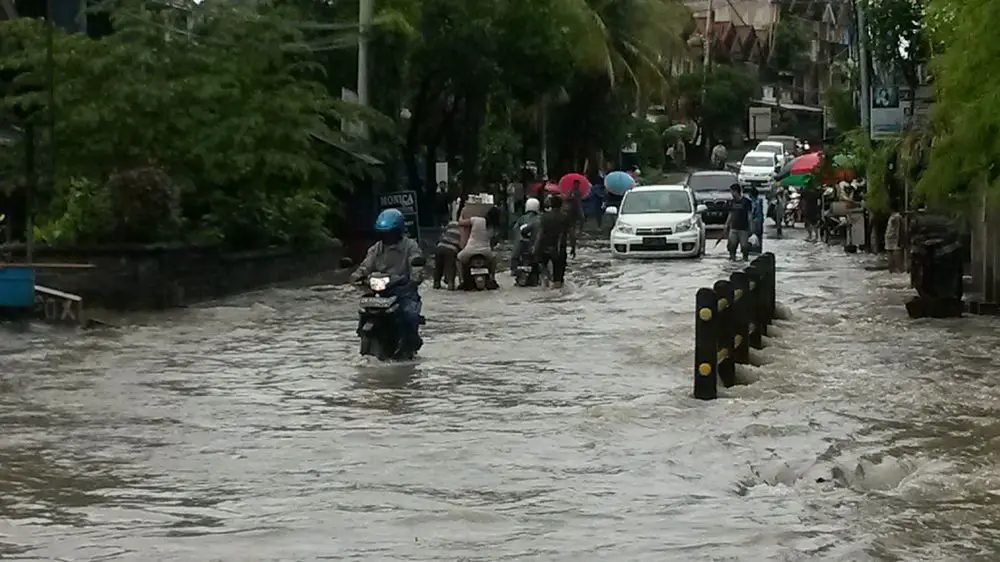
If you’re okay with some rain and want to avoid both peak crowds and peak prices, October and November are worth a serious look—just don’t expect wall‑to‑wall sunshine.
6. December: Festive, Busy, and Wetter Than People Expect
December has a split personality.
- Early December: wet‑season conditions, but still relatively calm and reasonably priced.
- Christmas–New Year: one of the busiest and most expensive periods of the year, despite the rain.
This is where expectations often clash with reality. Many visitors assume Christmas means perfect beach weather. In Bali, it usually means humid days, regular showers, and high prices.
December makes sense if you:
- Are tied to school holidays and can’t travel any other time.
- Want a lively, festive atmosphere and don’t mind paying for it.
- Understand you’re getting wet‑season weather at high‑season prices.

If you’re flexible, you’ll usually get better value—and similar or better weather—by shifting your Bali vacation planning to late May, June, September, or early October instead.
7. Quick Month‑by‑Month Cheat Sheet
Want the short version? Here’s a quick look at Bali weather and prices by month so you can match your trip to your priorities.
- January: Very wet, very green, very quiet, very cheap. Great for culture and relaxation, not ideal if you want guaranteed beach days.
- February: Similar to January—one of the cheapest months, still very wet and humid.
- March: Transitional. Mixed weather, low crowds, good prices. Nyepi often falls here.
- April: Hot, mostly good weather, some lingering rain. Decent balance if you avoid the Easter peak.
- May: One of the best months overall—dry, comfortable, moderate crowds, fair prices.
- June: Excellent weather, rising but not yet peak crowds and prices.
- July: Peak dry season, peak crowds, peak prices. Great weather, tough on budget and patience.
- August: Same story as July—fantastic weather, very busy, very expensive.
- September: Still dry and pleasant, with easing crowds and better value. A top‑tier choice for many budget‑minded travelers.
- October: Early month often great; late month brings more showers. Good shoulder‑season value.
- November: Wet season returns. Cheaper, quieter, more rain and humidity.
- December: Wet and humid. Early month offers okay value; Christmas–New Year is crowded and expensive despite the rain.
If you want to avoid both weather headaches and painful price tags, your best bets are:
- May
- June
- September
- Early October
From there, the real question isn’t When is the best time to visit Bali?
It’s: What am I willing to trade—sunshine, money, or space? Once you answer that honestly, the right month usually becomes obvious.