I plan my Japan trips around one question: What am I willing to pay extra for, and what can I happily skip?
Cherry blossoms, quiet temples, deep powder, festivals, or just the lowest possible bill? Once you’re honest about that, the best time to visit Japan—and the best value for your money—gets much easier to spot.
Below, I’ll walk through the timing choices I use when planning, always with the same lens: cost vs experience. Think of this as a reality check before you lock in dates or chase a postcard-perfect trip.
1. Are You Paying for a Postcard… or for Space to Breathe?
Most advice starts with the classic line: Go in spring or autumn.
It’s not wrong. It’s just only half the story.
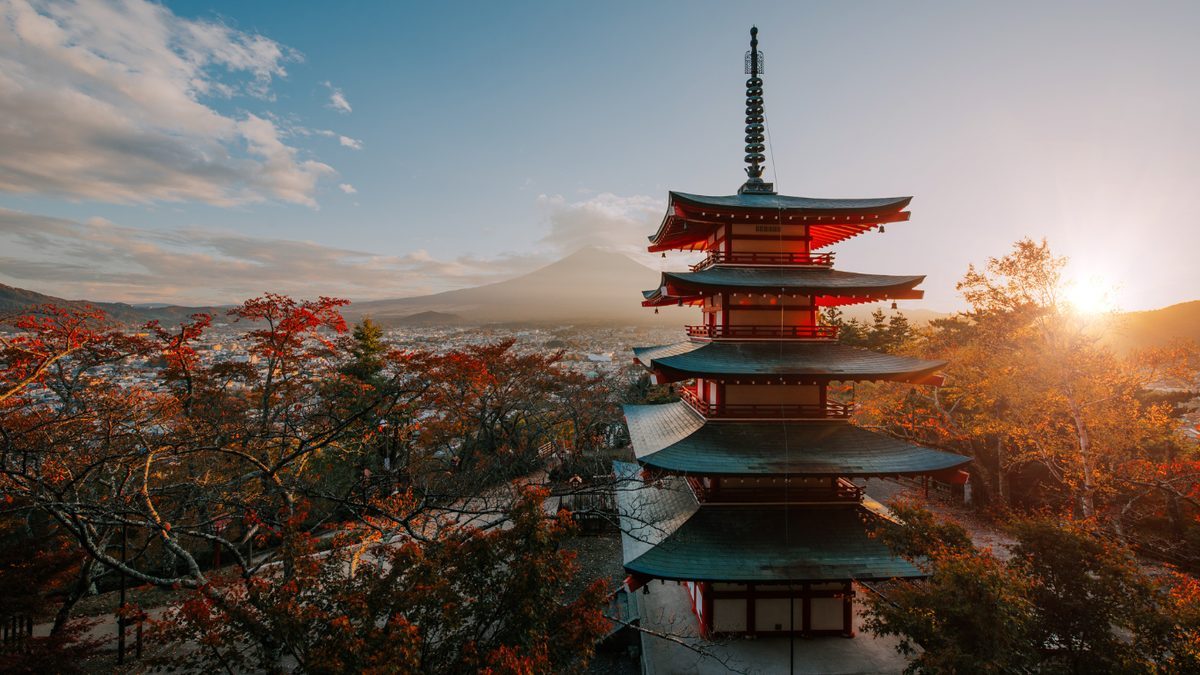
Spring (late March–April) and autumn (late October–November) are beautiful. Blossoms, red maples, mild temperatures, clear skies. But when you travel in these seasons, you’re not just paying for scenery. You’re paying for:
- Hotel prices that can jump 150–200% in peak sakura weeks
- Sold-out trains and ryokans in Tokyo, Kyoto, Osaka
- Crowded viewpoints and long lines at famous temples
On the other hand, winter (mid-January–February) and rainy season (June–early July) often give you:
- Cheaper flights and hotels (often the lowest of the year)
- More last-minute availability and flexibility
- Shorter lines and quieter streets in big cities
If you want the Japan from Instagram
and you’re okay paying for it, late March–early April or peak foliage in November will deliver. If you’d rather trade some wow for more space and a lower Japan travel cost by season, start looking at the gaps between the famous seasons.
Takeaway: Decide first: do you value iconic scenery more, or breathing room and savings? Your answer will instantly narrow down when to visit Japan for best value.
2. Are You Accidentally Booking Japan’s Most Expensive Weeks?
Most travelers think in months. Japan thinks in holiday windows. That’s where people get caught out.
The most expensive and crowded periods are driven by Japanese holidays and domestic travel, not just foreign visitors. These are the weeks I personally avoid unless I have a very specific reason to go:
- New Year: Late December – January 3–4
Homecoming + holidays + closures.
Transport is packed, some shops and restaurants close, and prices spike. - Cherry blossom peak: Roughly late March – early April (varies by year and region)
Hotels in Tokyo and Kyoto can double, and popular spots are shoulder-to-shoulder. - Golden Week: Around April 29 – May 5
A cluster of national holidays. Trains, highways, and hotels are slammed—classic Golden Week Japan travel mistakes territory if you don’t plan ahead. - Obon & school holidays: Mid-July – late August
Hot, humid, and still expensive because Japanese families are traveling. - Year-end: Last week of December
Similar to New Year: high demand, higher prices.
Notice the pattern? Late March–early May and mid-July–late August blur into long, pricey stretches with only a short dip in between.
Smarter move: Instead of asking Is April expensive?
ask Am I overlapping cherry blossoms or Golden Week?
The same logic applies to late December: the week before New Year can be much cheaper than the week that straddles it.
Takeaway: When you check flights and hotels, zoom in on exact dates, not just the month. Shifting your trip by 5–7 days away from these windows can save hundreds of dollars with almost no change in experience.
3. How Much Weather Pain Are You Willing to Trade for Lower Prices?
Here’s the uncomfortable truth: the cheapest time to go to Japan is cheap for a reason. The weather is less charming. The real question is: How much does that actually matter to you?
Based on multiple sources and my own planning, these are the reliably cheaper windows for most of Japan (outside ski resorts and Okinawa):
- Mid-January – mid-February: Post–New Year winter lull
Cold, but clear and often sunny in Tokyo and Kyoto. Great for city trips, museums, food, and hot springs. - Early June: Just before or at the start of rainy season
More clouds, some rain, but fewer tourists and better prices. A classic Japan off season travel window. - Early September: Still warm, sometimes typhoons, but demand dips after school holidays.
- Late November (after peak foliage) – early December: Cooler, quieter, and often cheaper than peak autumn weeks.
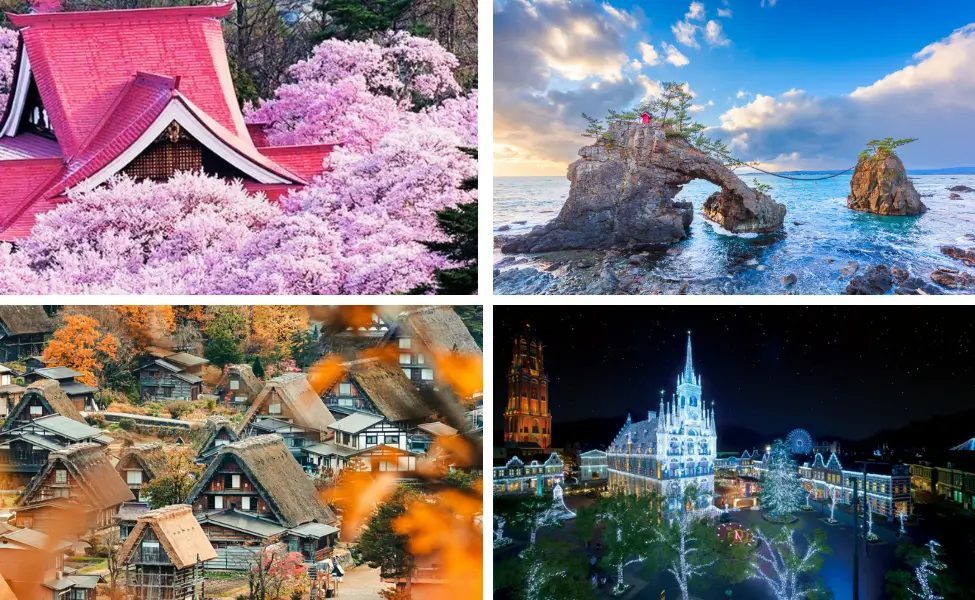
On the other side, you have the comfort-first seasons:
- Late March–April: Mild, blooming, but expensive and crowded.
- October–early November: Comfortable, clear, and popular with repeat visitors.
If you hate heat, humidity, or cold, you’ll pay more to avoid them. If you’re okay with carrying an umbrella or wearing a coat, you can save a lot and still enjoy a strong Japan seasonal travel experience.
Takeaway: Be honest: would a week of cool, clear winter days ruin your trip? If not, you’re leaving serious savings on the table by insisting on April or November.
4. What’s Your Real Priority: Blossoms, Foliage, Snow, or Savings?
Instead of asking When is the best time to visit Japan?
I ask: What is the one thing I’d be sad to miss?
Then I build everything else around that.
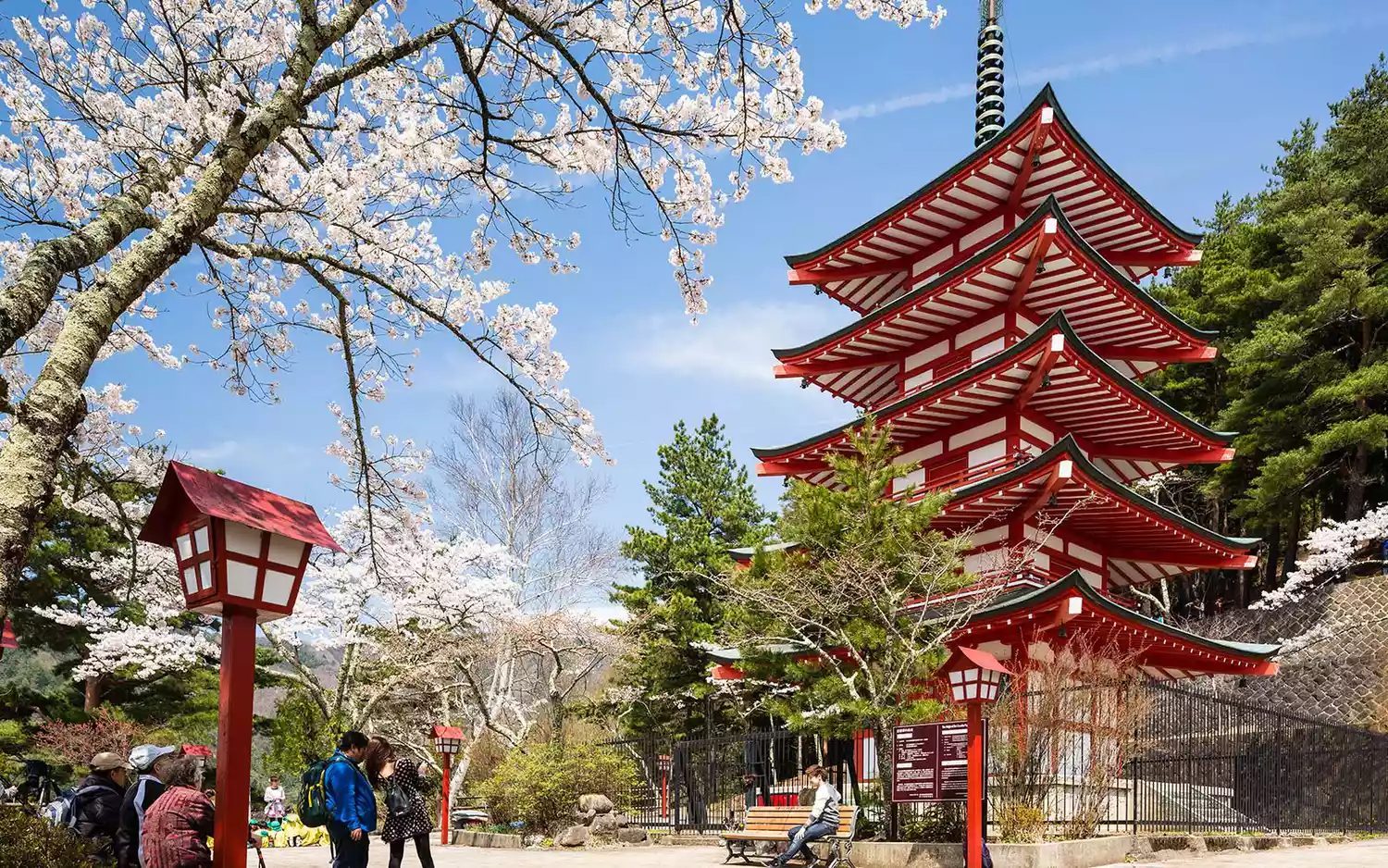
Cherry blossoms (sakura)
For most first-timers, this is the dream. It’s also the priciest and most crowded time of year, especially if you’re planning a classic Japan cherry blossom trip through Tokyo and Kyoto.
- Typical timing: Late March–early April in Tokyo, Kyoto, Osaka
- Cost: Hotels can be 1.5–2x normal rates; bookings 6–9 months ahead are common
- Better value tweaks:
- Go slightly earlier or later than the predicted peak
- Target less famous cities or late-blooming regions like Hokkaido
Autumn foliage
Many repeat visitors quietly prefer autumn. The weather is comfortable, the skies are often clear, and the colors can be spectacular. If you’re weighing Japan spring vs autumn travel, autumn usually wins on crowd levels and price.
- Typical timing: Late October–late November, depending on region and altitude
- Cost: Cheaper than sakura overall, but prices spike in peak foliage weeks
- Feel: Still busy, but usually less frantic than cherry blossom season
Skiing and snow
If you care more about powder than petals, your calendar flips completely.
- Best for skiing: January–February in Hokkaido and alpine regions (Nagano, Niigata)
- Cost pattern: Ski areas are expensive; big cities at the same time are often cheap and quiet
- Strategy: Combine a few days of skiing with a budget-friendly city stay before or after to balance your Japan winter travel cost and experience
Beaches and islands
For Okinawa and other southern islands, the rhythm is different again:
- Best weather: Late spring and early autumn
- Rainy season: Starts earlier (around May)
- Trade-off: You’ll likely pay more than a winter city trip, but less than peak sakura in Kyoto
Takeaway: Pick one primary goal (blossoms, foliage, snow, beaches, or savings). If you try to chase everything in one trip, you’ll end up paying peak prices for a half-optimized experience.
5. Are You Using the Right “Cheap but Still Good” Windows?
I’m usually not hunting for the rock-bottom cheapest time to go to Japan. I’m looking for the good enough weather, much better prices
window—the real budget friendly time to visit Japan.
In practice, a few periods stand out as strong cost vs experience compromises:
- Late January – mid-February (cities):
- Pros: Low airfares and hotel rates, clear skies, fewer tourists
- Cons: Cold; some rural attractions may be less accessible
- Best for: Food trips, city exploring, onsen, photography without crowds
- Early June:
- Pros: Lower prices after Golden Week, fewer crowds
- Cons: Humidity and increasing rain; not ideal for mountain hikes
- Best for: Budget-conscious first-timers who don’t mind umbrellas and want to test the Japan rainy season pros and cons for themselves
- Early September:
- Pros: Post-summer price dip, kids back in school
- Cons: Heat lingering, occasional typhoons
- Best for: Flexible travelers who can adjust plans if a storm hits
- Late November – early December:
- Pros: Cooler but comfortable, some lingering foliage, fewer crowds after peak
- Cons: Shorter days, some trees already bare in colder regions
- Best for: People who want a taste of autumn without peak prices and heavy Japan crowd levels by month
These windows are where you can often find better flight deals, more hotel choices, and less pressure to book everything months in advance. They’re also when you can be more spontaneous with day trips and restaurant choices—ideal for relaxed Japan seasonal travel planning.
Takeaway: If you’re not locked into school holidays, aim for one of these value windows. You’ll still get a strong Japan experience without paying peak-season premiums.
6. Are You Budgeting for 2026’s New Costs… or Using Old Blog Posts?
One more layer people forget: the year you travel matters. For 2026 and beyond, Japan is quietly adding new costs that stack on top of seasonal price swings and can change any Japan trip timing cost comparison.
Based on recent updates (source):
- Higher international tourist tax: Increasing from ¥1,000 to ¥3,000 per person, baked into your outbound flight.
- End of instant tax-free shopping (from Nov 1, 2026): You’ll need to factor in sales tax on big purchases.
- Kyoto’s tiered accommodation tax: More expensive hotels pay higher nightly taxes.
- Dual pricing at some attractions and restaurants: 10–20% premiums for international visitors in certain hotspots.
- Upcoming electronic travel authorization: A Japan ESTA-style fee (estimated around ¥6,000) for currently visa-exempt travelers, piloting in late 2026.
None of these are trip-killers, but they do mean this: seasonal timing is now even more important. If fixed costs are creeping up, the easiest lever you still control is when you go.
Takeaway: Don’t just copy someone’s 2019 budget. Check what’s changed for your travel year, then use off-peak timing to offset the new baseline costs.
7. A Simple Framework to Pick Your Dates
Still torn? Here’s a straightforward way to decide when to visit Japan for best value, step by step:
- Circle your non-negotiable:
- Cherry blossoms
- Autumn foliage
- Skiing
- Beaches
- Or:
Spend as little as possible
- Cross out the worst weeks for your wallet:
- New Year, Golden Week, Obon, peak sakura, year-end
- Match your tolerance for weather:
- Hate cold? Avoid mid-Jan–Feb.
- Hate humidity? Avoid late July–August.
- Okay with rain? Consider June.
- Shortlist 2–3 windows:
- Example:
Late Feb
,early June
,late November
- Example:
- Price them out:
- Check flights and a few sample hotels for each window.
- Look at how much you’d save vs your dream peak dates.
- Decide consciously:
- If you still choose peak sakura, at least you know what you’re paying for.
- If you choose winter or June, you’ll know exactly what you’re trading away.
In the end, there is no universal best time
to visit Japan. There’s only the best time for what you care about most—and what you’re willing to pay to get it.
If you treat timing as your main budgeting tool, Japan can be either a once-in-a-decade splurge or a surprisingly affordable repeat destination. The calendar is doing half the work. You just have to choose which side of it you want to be on.